Author: Ovi Cornea

  • Ministry Report: April 28 – May 8

    Ministry Report: April 28 – May 8

    Between April 28 and May 8 we hosted a mission team sent by First Baptist Church, Jackson, GA. They were led by Pastor Keith Joseph and came to help and minister alongside us in the work in Malawi.

    This a list of activities done during their trip:

    April 28 – arrival at Chileka Airport in Blantyre. After long flights and layovers, the team arrived safely in Malawi. By the time we got home in Zomba it was already dark and we had just enough time to talk about the trip and the ministry ahead of us. We call that time the “Orientation” time and it is vital as it prepares the teams for what’s next. Malawi is a different country, almost a different world, and there are many cultural practices that need to be discussed so that our work and presence in the villages help, rather than hurt, the reach of the Gospel. Orientation time is also the time when we discuss about Hope for the Future, our history, our ministry and a lot more.

    April 29 – Sunday services. The very next day was the Lord’s Day, and we took the team to two different villages. The morning service was in Nasedegu, where we’re working on planting a new church, and the afternoon service was in Thundu.

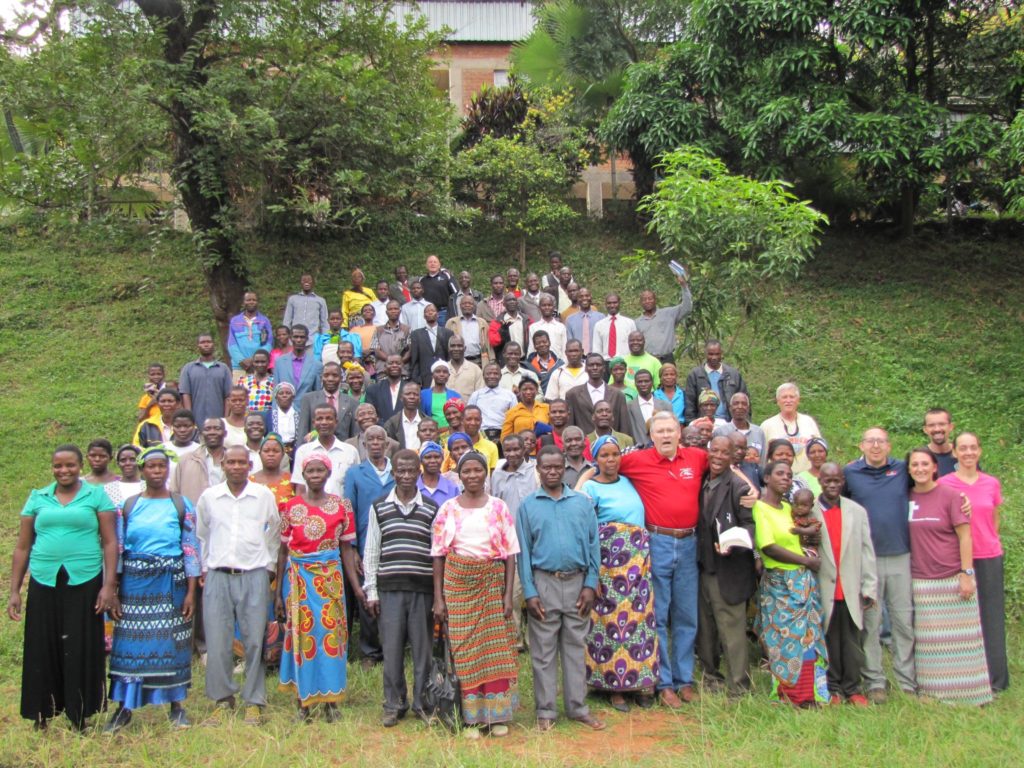
    April 30 – May 2. Pastors Conference. Every year we hold one big Pastors Conference, where all the pastors and church leader we work with are invited to attend, here at the Mission House. It is a great time to learn new things from the Word of God as well as fellowship with one another. Together with Pastor Keith, our vision is to train and equip the national leaders so they can go back in their respective churches and be more efficient for the work of God. It was a 3-day conference, with the first 2 days being just for the men and the last day for the pastors and their wives. We had a total of 54 pastors attending, with 5 of them from another African country: Zambia. Next year, Lord willing, we will partner with 15 churches from Mozambique who desperately need help.

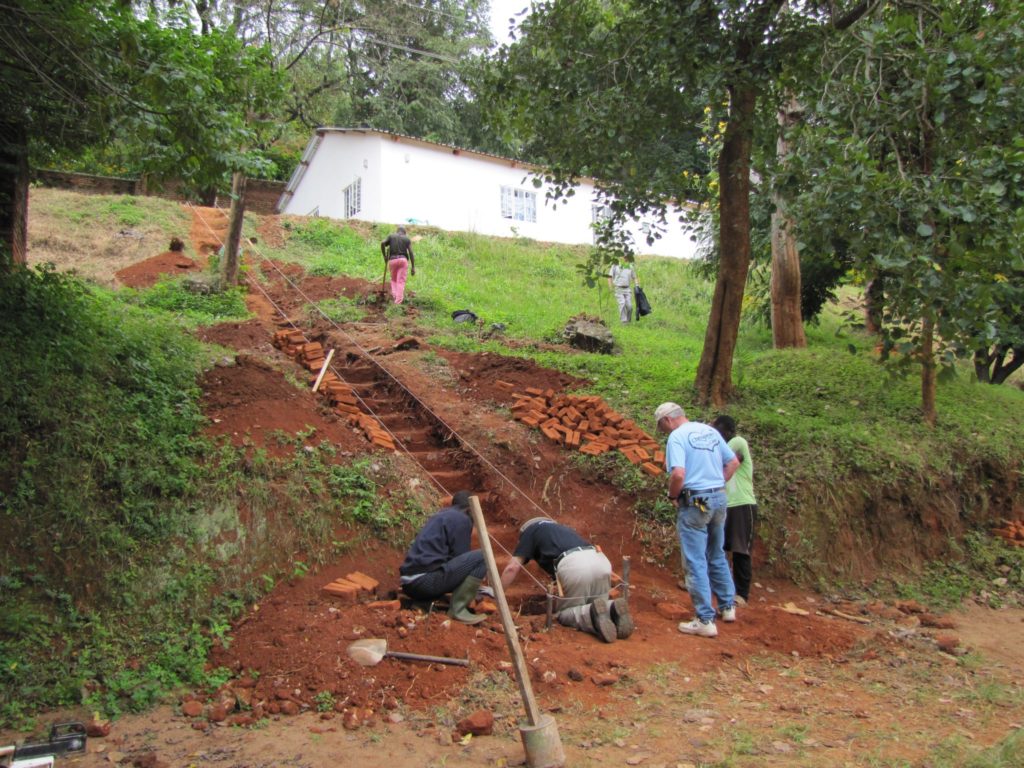
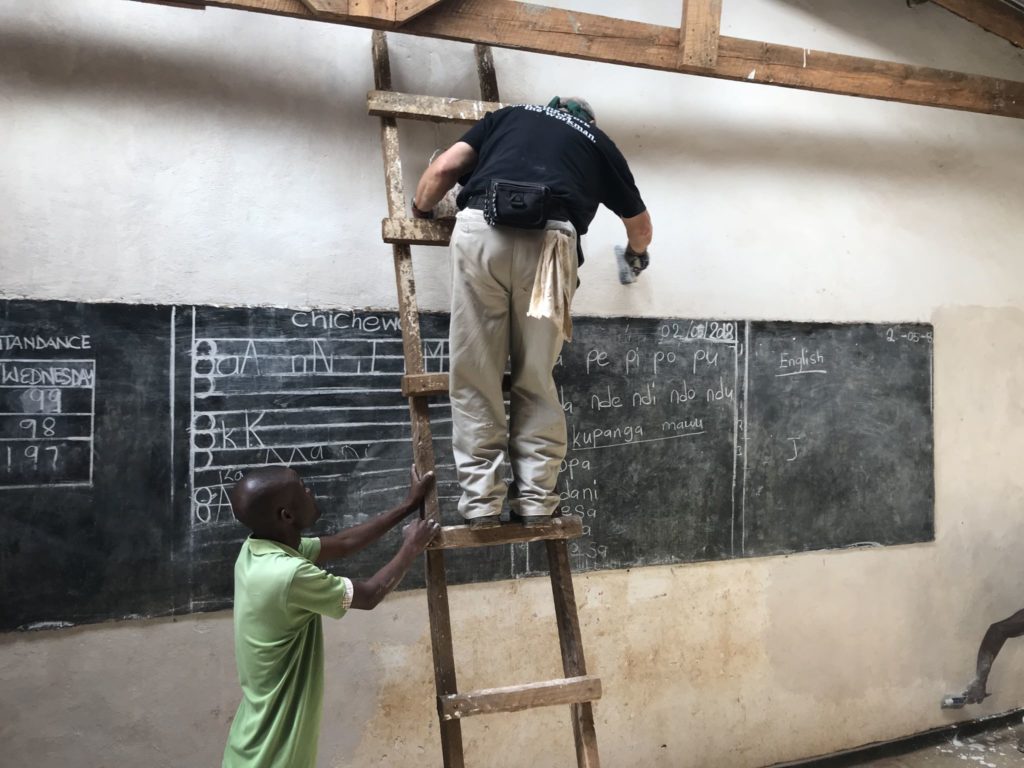
    While the pastors from America were busy teaching the national pastors, the rest of the team went with Samuel, Tendai and Misozi and visited some of the Bible Clubs we have around Zomba. On the second day, the same team visited both our Feeding Centers. Two of the guys, Willie and Gary, came to help us with their hands, and built for us steps that lead up to the Bible School. Later in the week, they helped paint the Primary School in Kachere.

    May 3 – 4. Evangelistic Camp in Kachere. We had a two day camp in Kachere, one of the little kids and the last for the older ones. Around 500 children attended and many professed Jesus as their personal Savior at the end of every day.

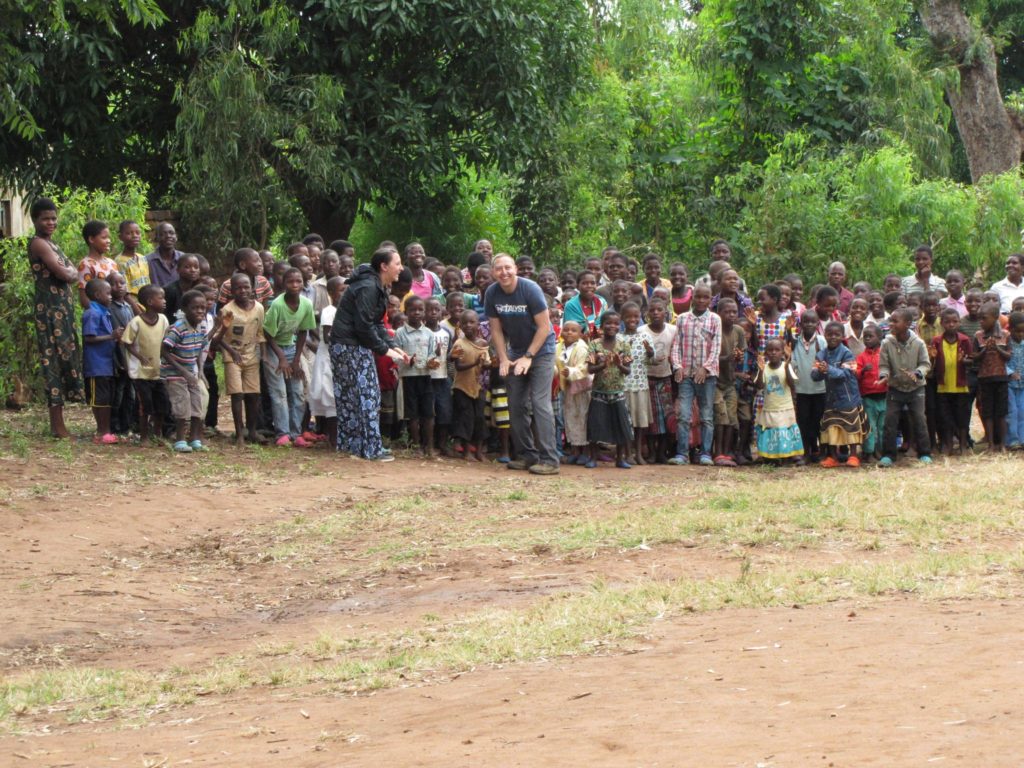
    May 5. Evangelistic Camp in Phalombe. Phalombe is a district located almost 2 hours driving distance away from Zomba. It is an area in deep spiritual darkness but a place that desperately needs Jesus. We realized that again when we found more than 600 children coming to camp, ready to be taught the Word of God. Even though their were kids, their hearts were opened to the Gospel and many of them gave their lives to Jesus Christ that day! God came thorough over and over that day and showed us that He is the one who sent us there for His glory. One other example: we only had enough food for 200-250 children but we managed to feed more than 600 hungry mouths and there was food left over. We were too far away to do any additional shopping so the only option we had left was to pray. The last thing I wanted, as a missionary, is for the food to end and all those kids to go home upset and hungry right before the sermon. God blessed and we fed them all with physical food, which opened the door for us to sit them down and have their attention while we preached the Word of God, Jesus who is the bread of life.

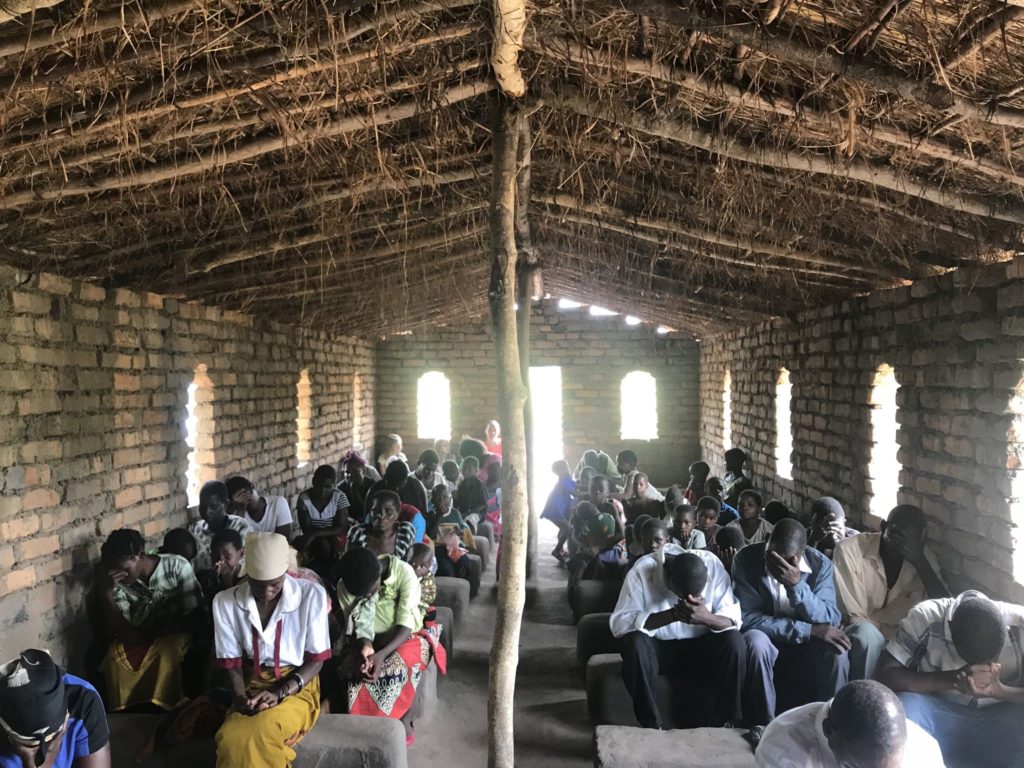
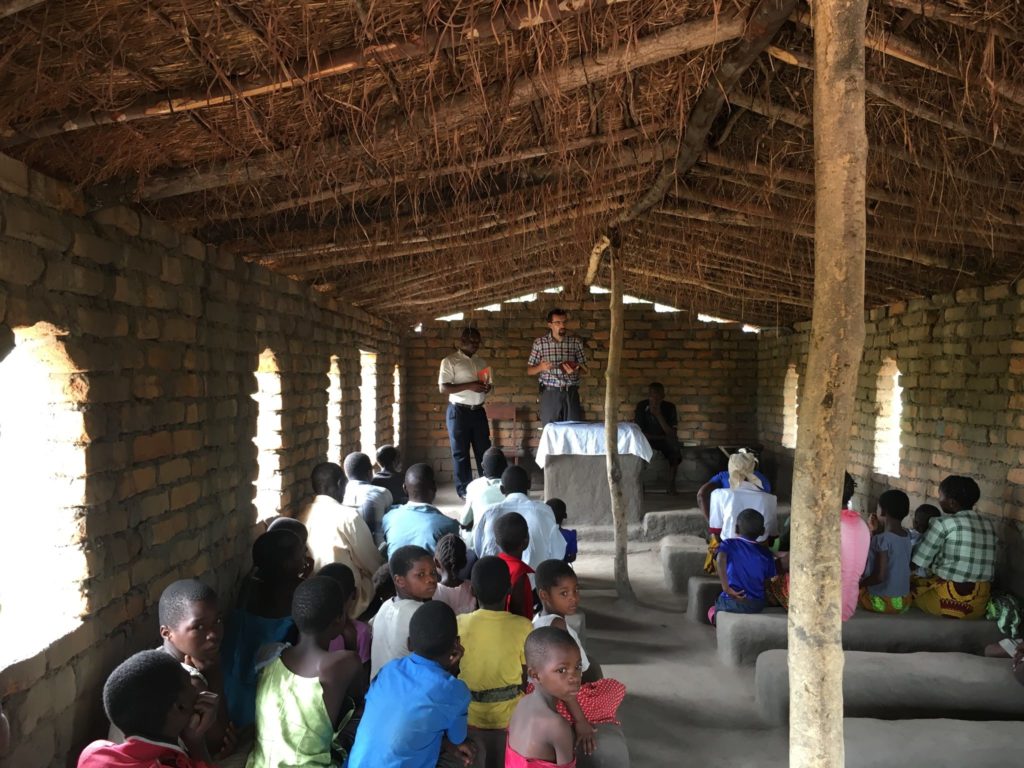
    May 6. Sunday services. After a very successful but busy week, we were ready to rest in the Lord with our brothers and sisters here in Malawi. The morning 30-minute long drive to the church ended up taking us one hour extra but, by the time we arrived, we realized that we’ve found a piece of heaven here on earth. This was a church in the village of Seven (yes, number 7), deep in the bush in the middle of nowhere, but their faith and their love were so genuine we did not want to ever leave. God was present through the Holy Spirit and the fellowship was sweeter than the sweetest honey. Pastor Ndaone of the church is an anointed man of God and his work there is definitely blessed.

    In the afternoon we attempted to go to another village, Sitima, but the minibus could not make it through a rather large ditch and some very muddy roads. We sent most of the team back home, while Pastor Keith, Pastor Cary, Stanley and I used the 4×4. It sure was a blessing to reach them as well, as they were waiting for us and waiting for the Word of God to be preached. Both these churches fed us out of the love they had for us. May God bless and reward them greatly!

    May 7. Sightseeing day. Every team needs a day of rest, even if sometimes they don’t think so. The work in Malawi is hard, the roads are bad, the sun is unforgiving and all of these can burn someone out even before they know it. Sightseeing days or even just days of rest are a must. We took the team to Majete National Park where two safari cars took all 11 of us around the park. We saw God’s beautiful creation and then enjoyed some time together while waiting for our lunch.

    May 8. Departure from Chileka. Sadly their time with us was very short this year and, before we knew it, it was time to go back to the airport. Such is the ministry here in Malawi and even us, my family, we are amazed of how quickly the days are passing this year.

    Right now we are talking it slowly (if that is even possible here) before we are ready to welcome the next mission team from the hot state of Oklahoma. Did I ever tell you they have African heat over there? 🙂 They are coming to be a blessing to the ministry and help us as we continue in our quest to reach Malawi for Christ, one soul at a time.
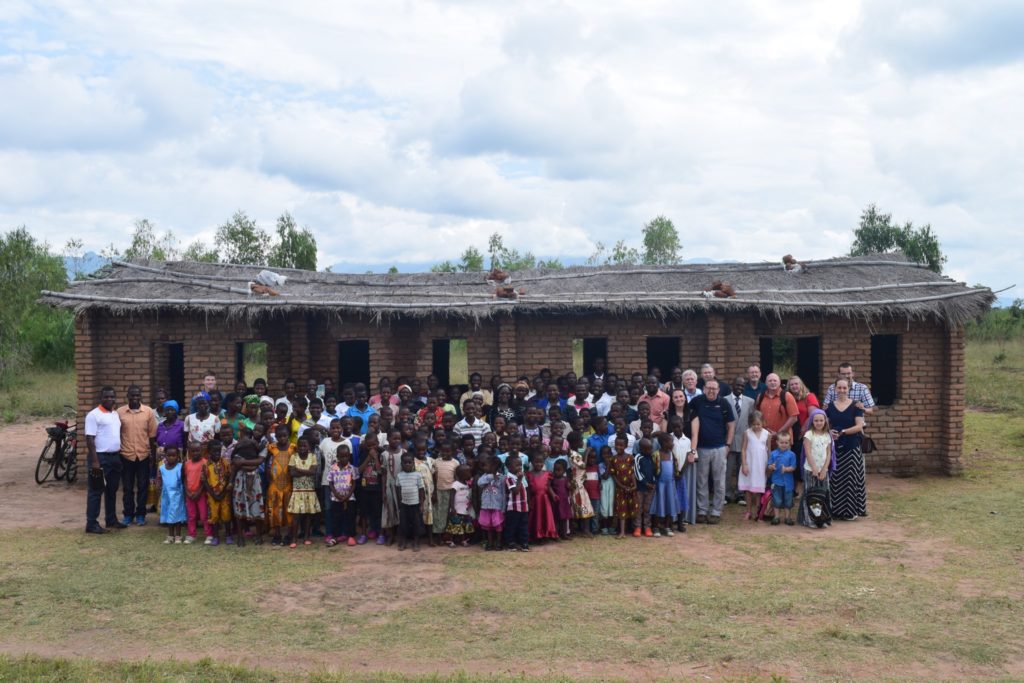
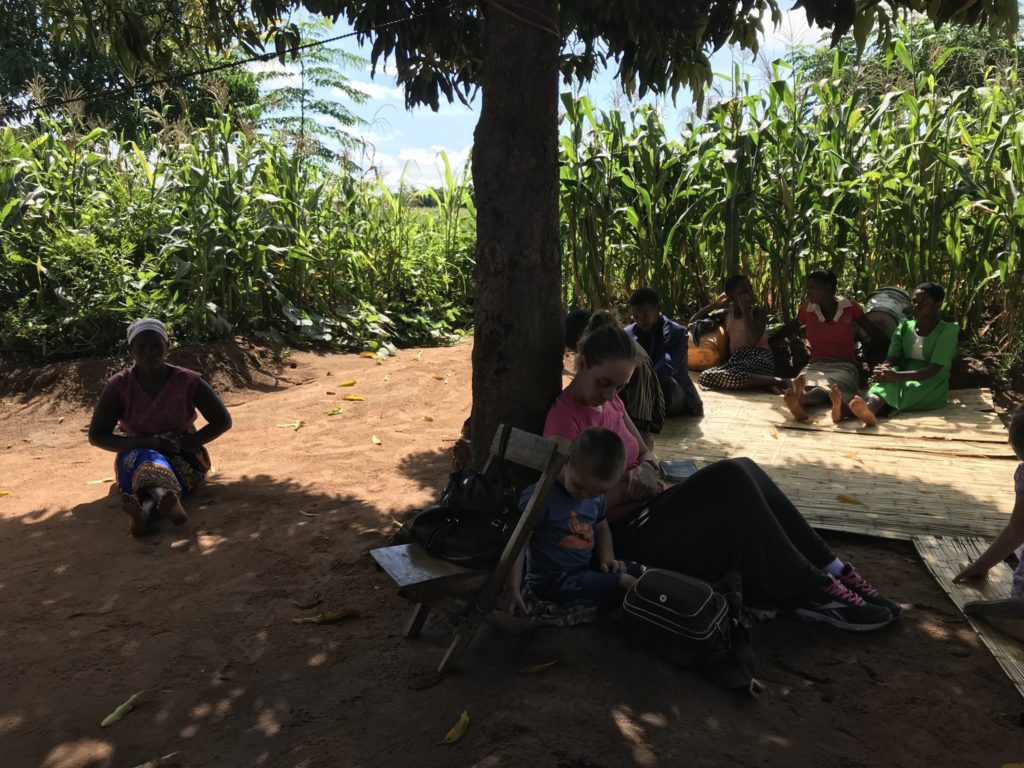
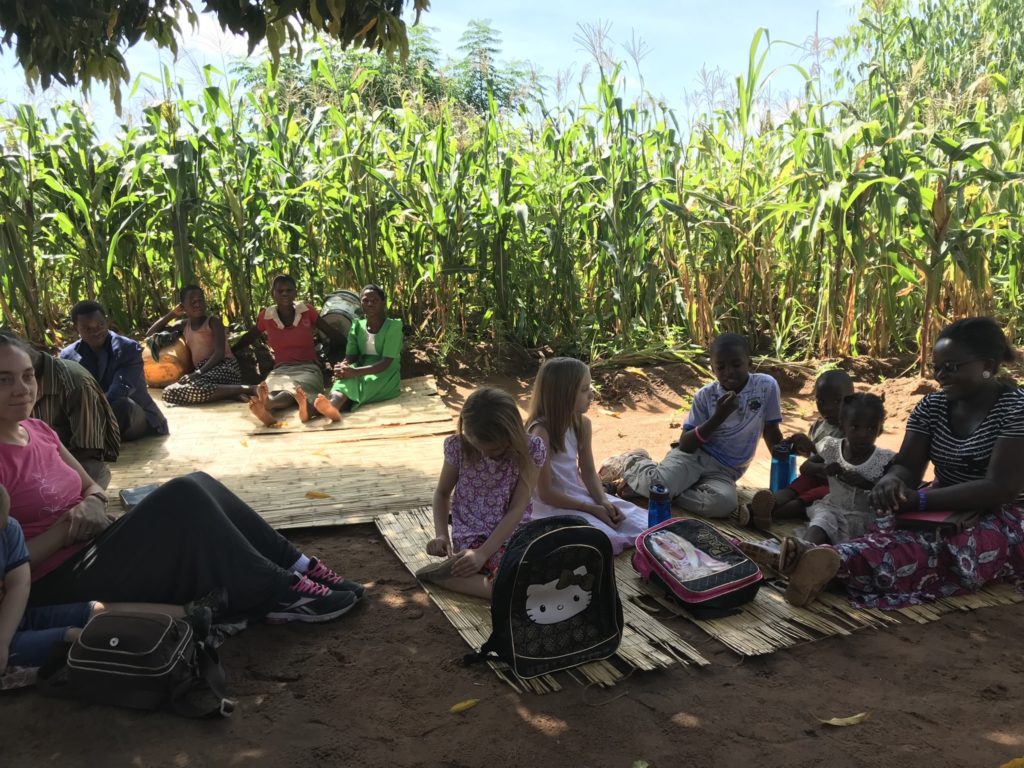
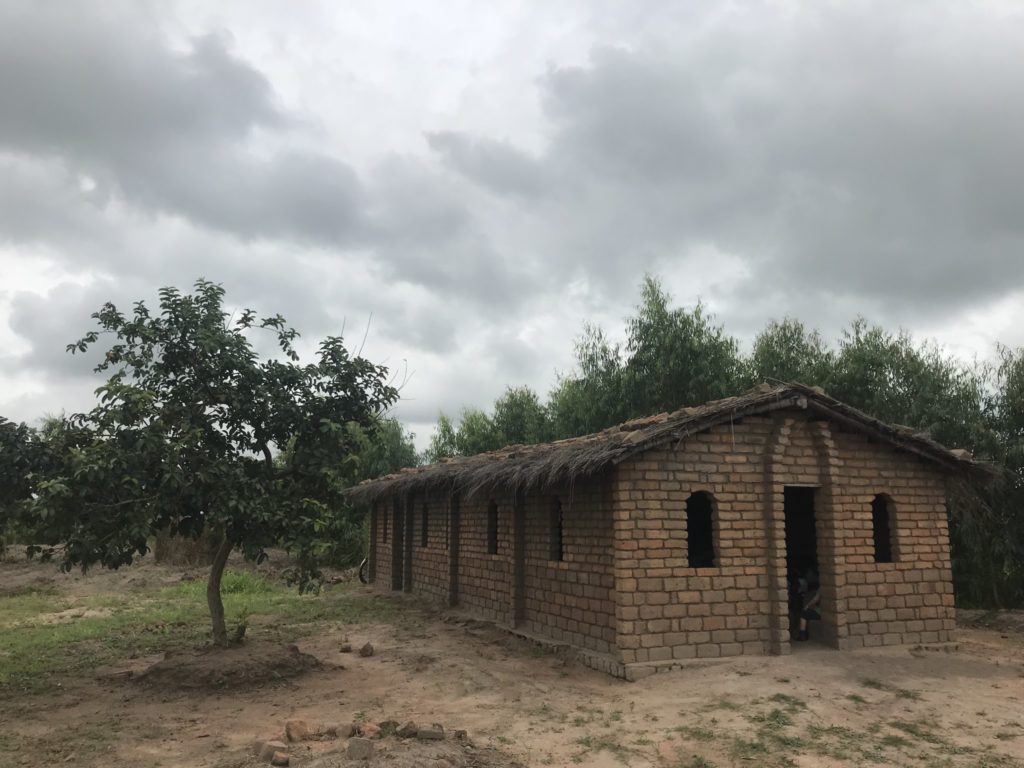
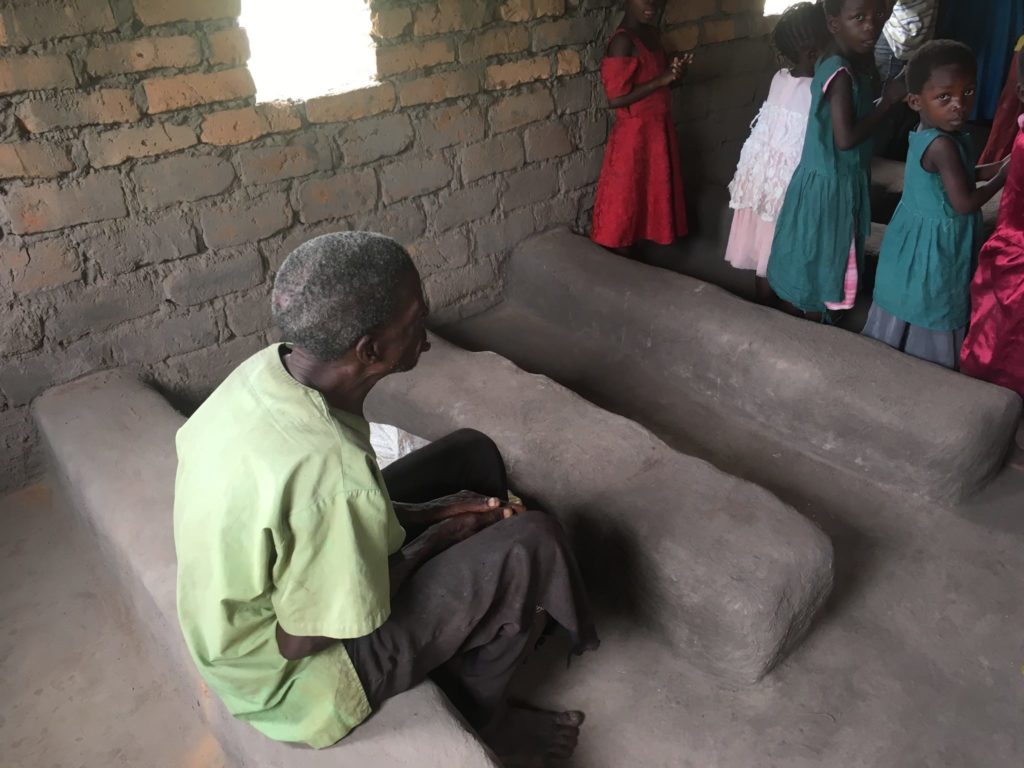
    Hope Baptist Church, Seven.
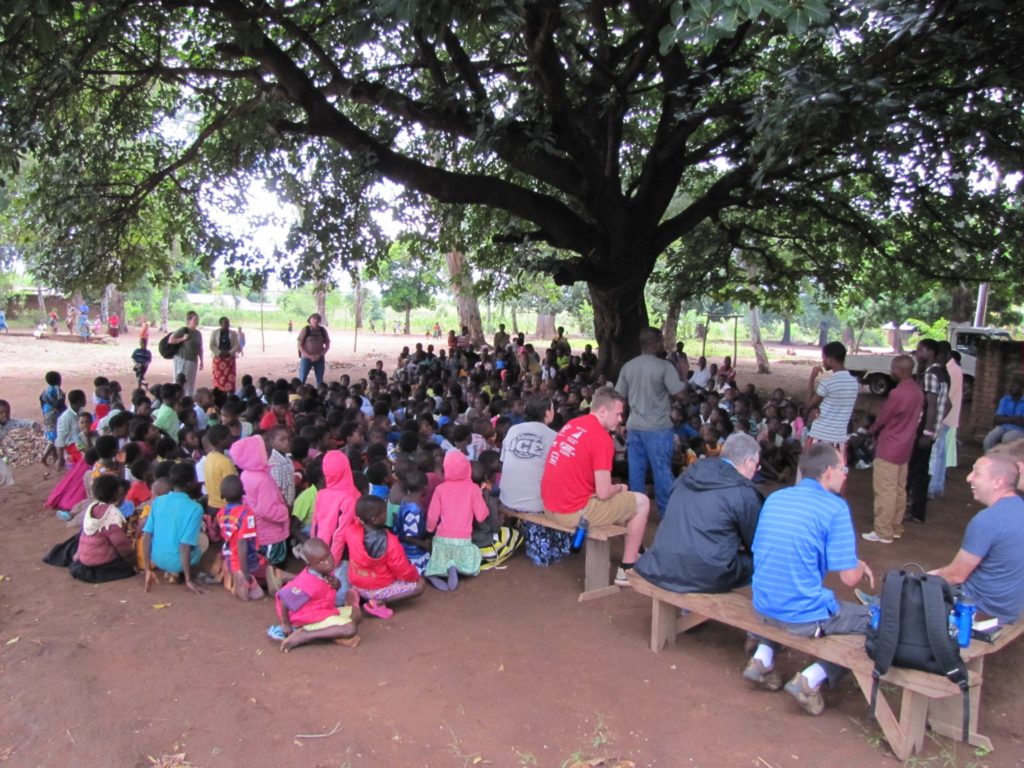
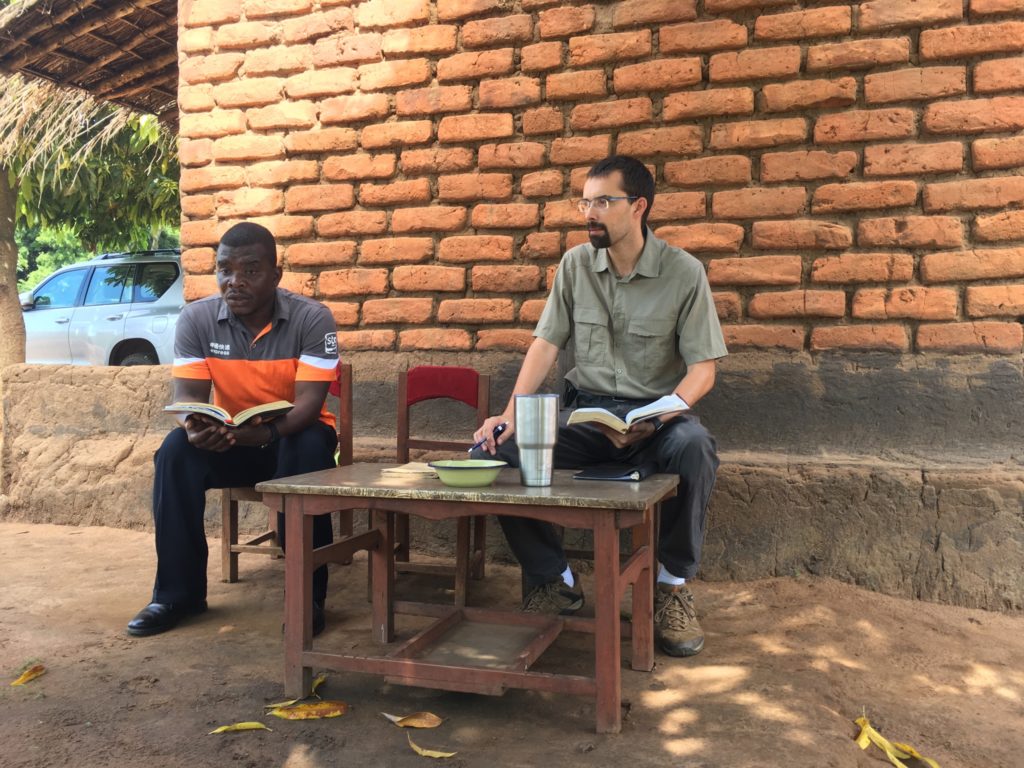
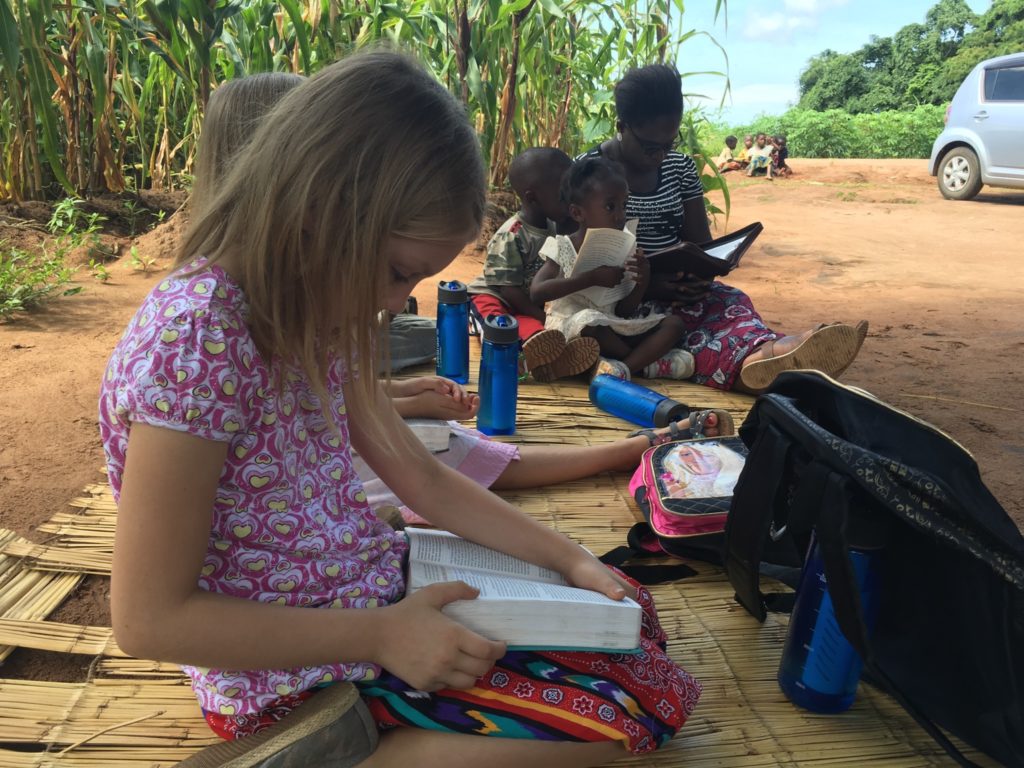
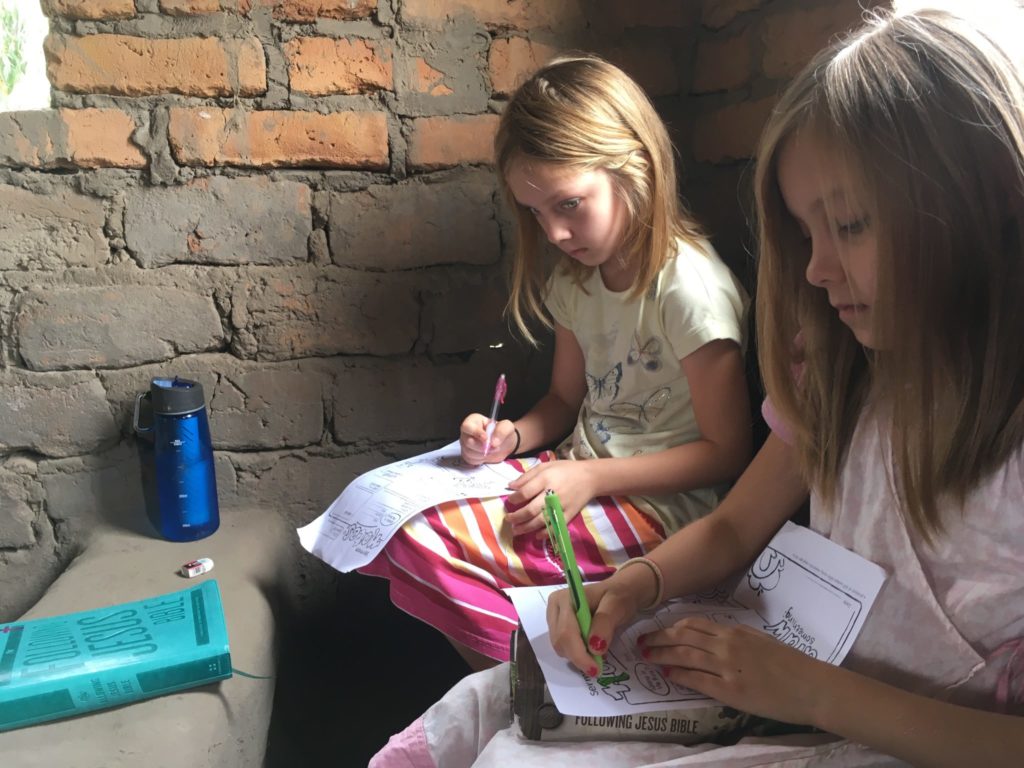
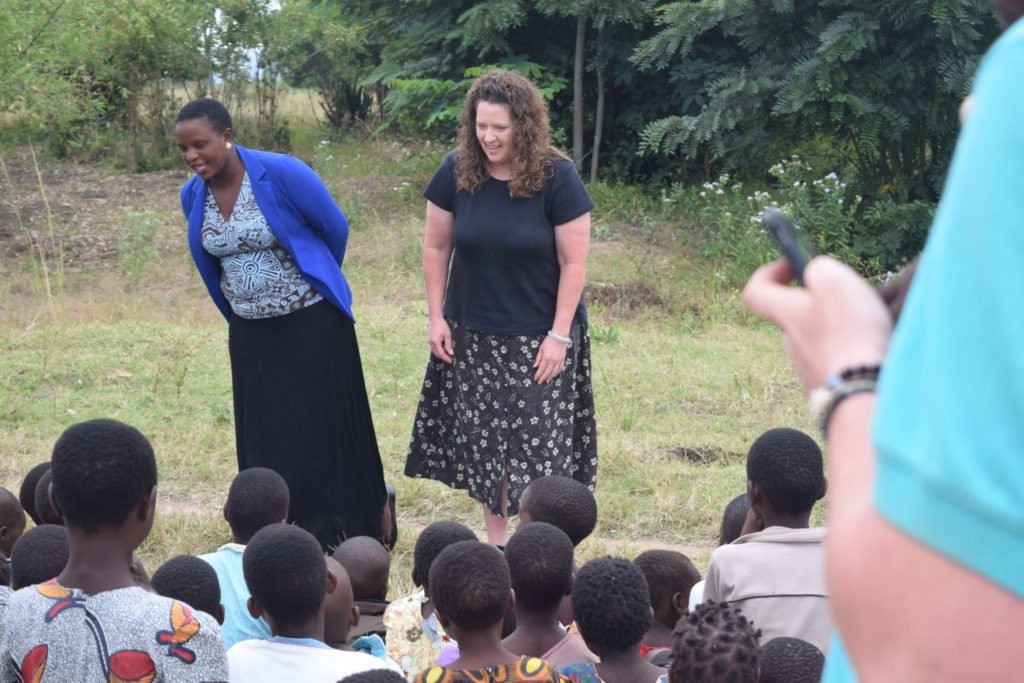
    Bible Lesson in Seven.
    Willie & Gary working on the steps.
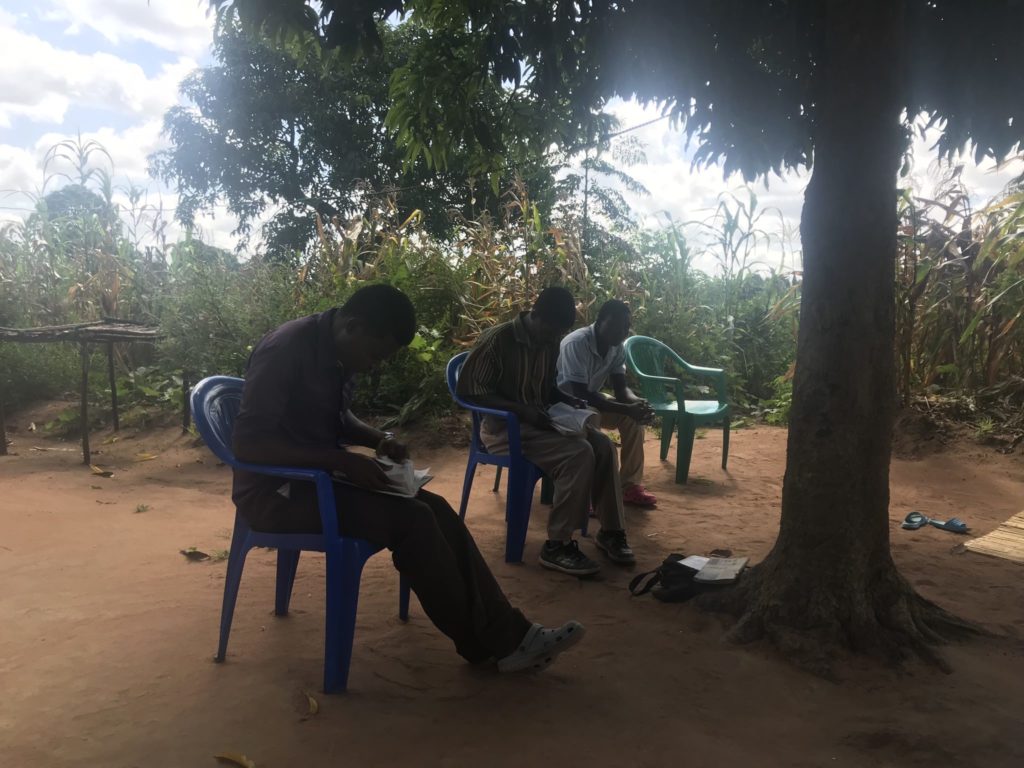
    Pastors Conference, Zomba.
    Evangelistic Camp in Phalombe.
    Evangelistic Camp in Phalombe.
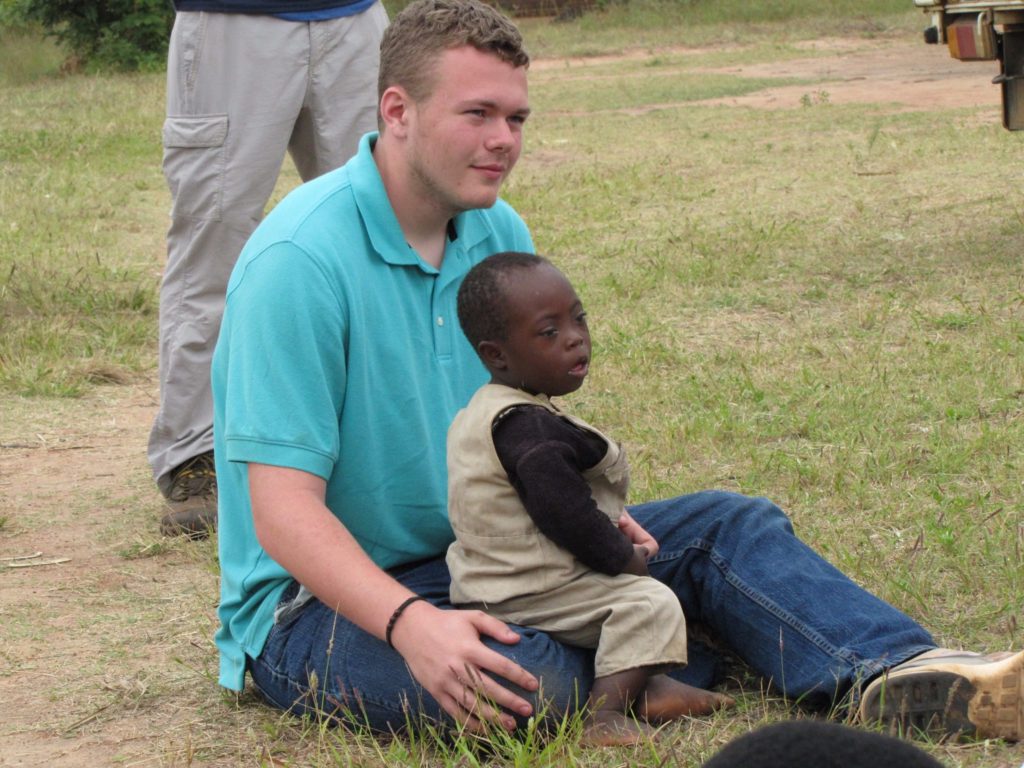
    Austin showing the love of Christ.
    Painting the Primary School.
  • Nasedegu

    Nasedegu

    I wrote about the new church plant in Nasedegu a couple of times (here and here), showing you the beginning of the ministry in this village where the Gospel has never been taken before. The work is progressing slowly and surely and people are hearing more and more about what we do.

    Currently we meet at someone’s house. She is a widow and her husband wanted for a long time to have a church in his village. Sadly, he passed away before he could see a missionary starting the work.

    Yesterday, Sunday, I was there again. Though we had a small attendance (3 men, 2 ladies, 1 young girl and 1 child), we rejoiced in the promise of the Lord that He will be with us as long as we gather in His Name.

    It just came to my attention that more people are interested in what we are doing but they are reluctant to come. Staying on the side and watching us, they’re waiting to see our intentions and whether we are serious or not. Malawian people are very welcoming but, in a remote village like Nasedegu, the villagers will need some time to trust us. Therefore, keep us in your prayers so that our testimony before the people of Nasedegu may continue to be good and pure. Pray God will work in their hearts and more would come and attend our meetings.

    Let me remind you that there is no Evangelical Church in this village or the neighboring ones, thus the need for one is so vital. Thank you for your prayers.

  • A supporter’s testimony

    A supporter’s testimony

    Sorry, this article is not yet translated in English.

  • Going “home” is hard

    Going “home” is hard

    Almost 4 years ago I wrote an article called “10 things a missionary won’t tell you”, adapted to our situation from another article I read online. Since it is only available in Romanian language, you can read someone else’s similar version here: Ten Things That Your Missionary Will Not Tell You. I strongly encourage you to read it as you will be more familiar to some of the difficulties missionaries go through. Even as a Romanian, I can identify myself with all those points.

    Going to Romania is hard

    You would think that returning home on furlough is wonderful. Every missionary looks forward to it. It is the focus of the year that it is going to happen.

    That is partly true. However there are two things that your missionary will not tell you. One you probably already know. Logistically it is difficult. Most missionaries don’t have a place to live, a car to drive or a plate to eat off of. All those things that we need in everyday life, from pillow cases to car seats, we do not have. We have to find short term solutions and we HATE borrowing stuff. We also do not want to live in your basement. We want to be a family with our own privacy and family time.

    We also want to visit and spend time with our donors and churches, but making that happen is so hard when we have donors in 12 different states. It isn’t cost feasible to spend $1,200 to visit a church in Arkansas that gives you $25/month. But you want to and think that you should. The logistics make home assignment difficult.

    The second thing that you probably do not know is that it is hard emotionally. Why? Because we discover that we have changed and that you no longer really want to be around us. I wrote about this one time. Let me summarize that blog here. A man from the land of Blue became a missionary to the people of Yellow. He struggled because he was a Blue man among Yellow people. However, after a while he began to truly understand their culture and become partly assimilated. One day he looked in the mirror and saw that he was no longer Blue, he was now Green. It made being in the land of Yellow easier. Then, after many years, he returns to the land of Blue. To his dismay, no one there in his homeland of Blue wants to be with him because, well because he was a Green person in the land of Blue.

    After being on the mission field you are a different person. People perceive you differently. Even people who were friends are no longer friends. They have grown without you. They have had different experiences without you. You are no longer ‘one of them.’ When you return, people want to shake your hand and say that they missed you, but they don’t want to be with you. They are also worried that you are going to ask them for money. We actually asked a person out for dinner, a person who had been a friend before going to the mission field. Their response was, ‘We don’t have any money to give you.” They REALLY said that!

    After being in my home church, where I had been a pastor, and was now feeling ostracized, I shared my feelings with a staff member of the church. He told me that he knew why people avoided us. I asked him what it was. He said, “You intimidate people. Not by what you say, or what you do, but by who you are. We look at you and your choice and we feel guilty for being materialist. It is easier to avoid you than it is to repent of our love of money.”

    I don’t know if that is the reason or not, but missionaries feel unwanted. We may think that you appreciate us, and we really are grateful for your financial support, but we feel like you don’t want to be our friend.

  • Demonic Activity And Missions

    Demonic Activity And Missions

    Elephant in the room is metaphorical idiom for an obvious problem or risk that no one wants to discuss.

    Here it is, one of the least talked about, frequently avoided topics in biblically conservative circles. Demonic activity. Our Pentecostal and charismatic brothers love to talk about it. Christians around the world discuss it frequently. But, in the polite, conservative, churches in the suburban US we don’t discuss it. We avoid the topic, even quietly dismiss it.

    Christians affirm the Bible is the literal Word of God, and demons existed and were active in the pages of Scripture. It is acceptable to acknowledge demons existed 2,000 years ago, but today? Most of us are secretly skeptical or outright hostile to the idea that in our post-modern world, demons are alive and busy. Come on, that kind of hokum is for the uneducated, unenlightened masses, right? C.S. Lewis said, “There are two equal and opposite errors into which our race can fall about the devils. One is to disbelieve in their existence. The other is to believe, and to feel an excessive and unhealthy interest in them. They themselves are equally pleased by both errors, and hail a materialist and a magician with the same delight.”

    That pervasive attitude is why few missionaries share their demon stories when making Sunday school presentations on furlough. But, secretly, privately ask your favorite missionary if they have ever experienced demonic activity. Not the plate fell off the table or I got a flat tire kind of demonic activity. But, the strong as a bull, speaking in foreign languages, unexplainable, horrifying kind of demonic activity. A large, yet admittedly anecdotal, sampling of missionaries leads me to believe most have experience with demons. Missionaries just don’t want to talk about it because they fear you’ll have them committed, or worse, reduce their financial support.

    What We Believe

    Studies indicate most Americans believe in demons, and demonic possession. A 2013 YouGov survey showed 57% of all Americans believe in the devil, while 86% of born again Christians believe in the devil. A 2012 Public Policy Polling survey found 57% of Americans believe someone can be possessed by a demon. The aforementioned YouGov survey said the number of born again Christians who believe someone can be possessed by an evil spirit is 72%. Even the areligious believe in the supernatural. A 2012 Pew survey showed 85% of those who considered themselves religiously unaffiliated, still believe in the spiritual or supernatural.

    Of Americans who believe in demonic possession the YouGov survey found females (54%) were more likely to believe than males (49%). Republicans (54%) and Democrats (51%) were about equal. The South (59%) was more likely to believe than the Midwest (45%). Blacks (67%) and Hispanics (62%) were more likely to believe than Whites (47%). The average American believes in demons and demonic possession.

    What The Bible Says

    The Bible has plenty to say about the Devil and demons. The word “demon(s)” appears 77 times in the NT, and is mentioned in 19 of its 27 books. Scripture confirms demons exist (Deut. 32:17, Ps. 106:37, Mat. 12:27). While God created everything (John 1:3), he did not create evil (Jam. 1:13, 1 John 1:5, 1 Cor. 14:33). Demons were cast out of heaven (2 Pet. 2:4, Jude 6) and Satan is their leader (Mat. 12:24). All of our sicknesses, problems and accidents cannot be attributed to Satan and his demons, however, they are active in some problems. They can cause or exploit mental and physical illness (Mark 5:1-15, Luke 11:14). Demons have strength and knowledge (Mark 1:24, 9:17-27) and they fear Jesus (Mark 1:25, 3:11-12, 9:25).

    Demons can possess a person (Mat. 9:32-33, 12:22, 17:18, Mark 5:1-20, Luke 22:3), but they cannot indwell a true disciple of Jesus Christ (Col. 1:13, Rom. 8:37, 1 John 2:13, 5:18, 1 Pet. 1:5, 2 Cor. 6:16). However, true Christians can be harassed and negatively impacted by demons (2 Cor. 11:3-4, 13-15, 12:7, 1 Tim. 4:1-5, 1 John 4:1-3). Still, we have been given the power to resist them (Jam. 4:7). John Calvin said, “All that Scripture teaches concerning devils aims at arousing us to take precaution against their stratagems and contrivances, and also to make us equip ourselves with those weapons which are strong and powerful enough to vanquish these most powerful foes.”

    In Missions

    So, why do missionaries see more demonic activity than do typical suburban church goers? Think of it like this…all Christians are active soldiers in a spiritual battle. Satan has a finite number of demons. Like any smart military tactician, Satan is going to send his troops to the frontline, where the gospel is advancing rapidly or into new territory. Christian missionaries have more experience with demons, than do other Christians, because missionaries are at ground zero of major battles. R.C. Sproul said, “The church is the most important organization in the world. It is the target of every demonic, hostile attack in the universe. Jesus personally guaranteed that the gates of hell will never prevail against the church. He made no guarantee that the gates of hell would not be unleashed against it, however.”

    Don’t let your missionary friends skulk in the shadows and hide their amazing stories of demonic activity. The mission field is not just a field for harvest, but a field for battle. Invite missionaries to unburden themselves with the horrible, amazing things they have seen on the frontlines. Allow your family, your small group and your church to be educated about the active work of demons and God’s victories. Be open, be biblical and be prayerful for your missionary friends and their protection against demons.

    used with permission and adapted

  • Church plant in Nasedegu

    Church plant in Nasedegu

    In November last year I’ve posted about Nasedegu for the first time, telling you how in that village we have a very important ministry, that is to plant a new church. Nasedegu is a village where there are no Evangelical Churches and it is surrounded by other villages in the same spiritual need. These people are unreached and they desperately need Jesus.

    On one of my first visits there I found the people to be very curious as many of them have never seen a white man before. Even so, we were welcomed by them and by all the local village chiefs and we were given permission to start our ministry.

    Since then, we’ve visited them on a few occasions, doing door to door evangelism, open air evangelism, an evangelistic camp and showing of the Jesus movie. Soon after the Jesus movie, Nasedegu fell back into the grips of the demonic activities that plague Africa, with people accusing others of vampirism. Several passing vehicles were stoned and it simply became too dangerous to go anymore. At one point someone in the village told us it is not safe for us to go there.

    Many of you prayed for this situation that affected several other places in Malawi and those demonic powers have been restrained so far, giving us the chance to return and proclaim Jesus. Truly, God is the answer in Nasedegu and throughout Malawi and only through His Word and a lot of prayer we can see any change.

    My heart’s desire is for the people of Nasedegu to see the light and be saved (Rom. 10:1), so we will be concentrating our Sunday visits to this place, sharing Jesus and preaching the Gospel.

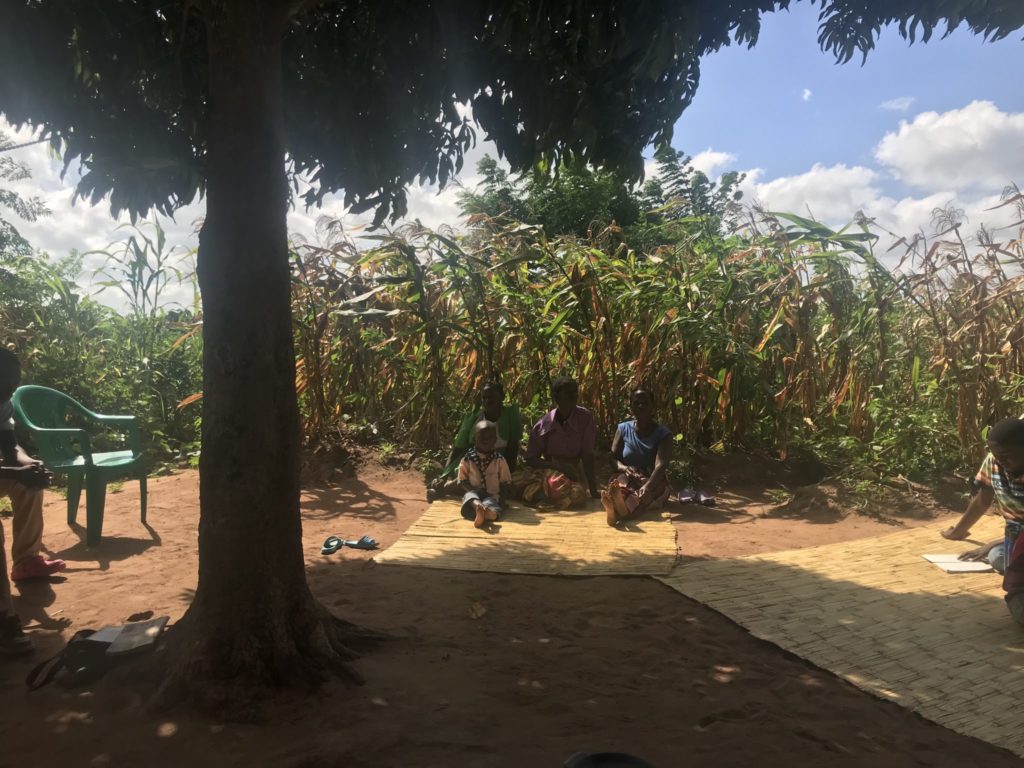
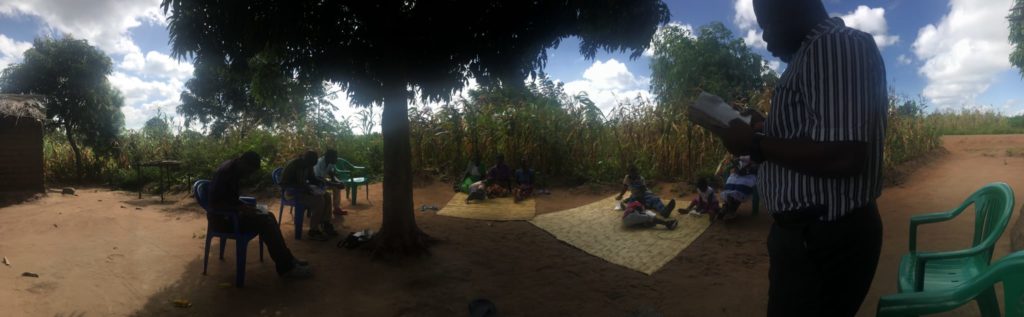
    Today we were there and we met under a tree with just 10 people from the village: 5 youth, 2 men and 3 ladies. The rest of us were my family and Stanley’s. There was only 1 Bible brought by the lady who owns the place we were meeting at, and no local knew whether John 3:16 was in the New or the Old Testament. I’m telling you this so you can understand the need and the importance of our work there.

    Nasedegu has been Satan’s play ground for too long, pray for us that we may have open doors to take God’s Word.

  • Hope Baptist Church, Sitima

    Hope Baptist Church, Sitima

    Today we visited a church in the village of Sitima, where pastor Chinthalo is serving his people. Sitima is located in a remote area, 50 minutes driving distance from town, off the main road, off a dirt road and even off a bicycle path. In many places the grass has overgrown and taken over the little foot path.

    Despite the difficulties we encountered on a few occasions, we got there in time this morning and enjoyed a sweet fellowship with God’s people. They were good to us and from the little they have, they made sure we received food at the end of the service. Indeed, we enjoyed the tasty rice and boiled eggs they prepared for us.

    The service was great, the Gospel was preached and the Holy Spirit worked and 3 adults and 7 children received Jesus as their personal Savior.

    Please be in prayer for those 10, so they remain faithful to the Lord. Also, pray for pastor Chinthalo as he is weak and sick.

    To see the location of this church in Malawi, as well as all the other places where we are currently involved in, please visit the following link. You will be able to have a bird’s eye view of the ministry’s influence in Malawi. http://bit.ly/MalawiMinistryLocations.

    Hope Baptist Church, Sitima
    Our brothers and sisters
    Ovi preaching the Word
    Jessica & Aimee taking notes
    A passerby stopped to listen to the sermon
  • Malawi’s looming food crisis

    Malawi’s looming food crisis

    Malawi is one of the poorest countries in the world, with 53% of the population living below the national poverty line and 90% of whom are living on less than $2 per day.  The large majority of the population lives in rural areas, engaged in subsistence farming. People here depend almost solely on the sunshine and the rains and in the recent years we have seen how changes in the weather have affected the crops.

    Though February is right in the middle of the rainy season, we see how many areas in Malawi have not received enough rains and, sadly, this means those people will not be able to cultivate their staple food: maize. According to the government of Malawi, 1,9 million families face the imminent hunger season which, this year, will start much earlier than ever before.

    It is estimated that over 645,000 hectares of crops will be lost this year due to the prolonger dry spells and the army-worms attacks. In the most affected districts, almost 40% of the maize production will be lost. Worst hit districts are Balaka, Chiradzulu, Machinga, Mangochi, Mulanje, Phalombe, Mwanza, Neno, Chikwawa, Nsanje, Thyolo, Zomba, Dowa, Dedza, Kasungu, Ntcheu, Salima and some parts of Lilongwe. I have underlined those places where we have churches.

    These depressing figures call us for a response in order to save the people we work with and protect their future. Hope for the Future has invested a lot of time, energy and resources in building a large and successful ministry and food crisis like this one has the potential to jeopardize our progress. Our work is among the poorest of the poor here in Malawi and it is our duty to step in when a national crisis arrises.

    [su_carousel source=”media: 25333,25334,25339,25337,25338,25336,25335″ link=”image” target=”blank” height=”200″]

    Long Term Effects of a Food Crisis

    Malnourishmentdisease and death, especially in the case of children, as well as an increase of the number of orphans. Starving people begin to eat unsafe roots, maize cobs, sawdust, and boiled fruits and can contract food poisoning and other stomach illnesses. A report done a couple years ago found that many families in Nsanje, a southern district in Malawi, were eating water-lily bulbs called nyika. These bulbs, which used to be considered snack foods but are now staple foods, cause diarrhea if eaten in abundance. In one instance, the eldest son of a family of ten found a collection of poisonous yams. The father gave the children and mother the yams to eat because they had no other food; he did not eat the yams himself because he prioritized his children’s hunger and his wife’s hunger over his own. The mother and all eight children died, one after another, due to vomiting and food poisoning.

    Family instabilities as people change their lifestyles in order to obtain food. Men will try finding casual jobs, sometimes migrating away from home and never to return. Many households will have to sell items and livestock at very low prices, making it very difficult for them to regain the little stability they had.

    Education is also affected as hungry children drop out of school in rates higher than 25%. Others skip school in order to work, search for food or even beg. In the worst hit areas, up to 3/4 of the children will stop going to school.

    Social order will be worsening, as people will start stealing from neighbors, abandoning children, fight for food and exchange sex for food. When thieves are caught, many times they are tortured or even killed. The elderly, orphans and widows are most vulnerable, not only because it is difficult for them to provide for themselves, but also because they are bigger targets for theft and violence. Many girls will be forced to marry young because their families will not be able to support them. This will lead to an increase in divorces and abusive marriages. Married men and women can turn to infidelity to earn money or food, again leading to divorces and abusive marriages.

    Malawi’s looming Food Crisis. Short-term and Long-term Solution

    Hunger today is starving Malawi of its tomorrow, and we are committed to do everything in our power to avert some of the consequences of this upcoming food shortage, at least in the areas where we are invested. We have put together a short-term solution that needs to be addressed straight away but also a long-term solution which will hopefully help avoid future food crisis. We like to dream big because we serve a big God.

    Short-term, we need to purchase food while the prices are still fairly low. As the food becomes more scarce, the few that have it will sell it at a higher price. From our savings we have already purchased 100 bags of maize, or 5 metric tonnes. We are asking individuals or churches to help us purchase more. The food shortage will most likely start in October this year and will last until the next harvest, April 2019, or a total of 6 months. A family needs 1 bag per month to survive. Although we have many churches in the worst hit areas and the task may seem large, slowly and with the help of one another, we can be a part of something big and important.

    Currently, one bag of maize costs $15.

    Long-term, we are planning to help people develop better farming practices. This is not something I know, but it is something I must learn so that I can help others. We are looking into a Gospel-centered method called “Farming God’s Way”, which aims to strengthen and extend the kingdom of God with an emphasis on sustainable agriculture. It is a model to transform lives of individuals, communities and nations. Its two biblical foundations are: stewardship and giving. Stewardship in connection with the land – as the first thing that God gave Adam – and giving in connection to honoring God but also investing in the land rather than just taking from it.

    Moreover, as Malawi is experiencing more and more draught, we are considering importing a variant of corn called “Hopi Blue Corn”, which is very draught-tolerant and requires little to no fertilizer. Hopi Blue Corn is a high-yield crop developed by the American Indians centuries ago.

    How to help

    If you are in the US, Pastor Keith of First Baptist Church, Jackson, GA already knows about this project and his church will graciously help us collect all the money. He will lead a team in April when he will visit us, so he will either bring the money with them or transfer it if it is a larger amount. Sending your cheque to the church is the preferred option as we will not loose anything in fees.

    Alternatively, should you want to send via online, you can use our PayPal address or the form below. We ask you to consider the bank fees so that your donation for 1, 10 or more bags may help us purchase the same. $20/bag will be preferred for online donations.

    We will appreciate a lot your prayers for us and the ministry in Malawi. We need strength and wisdom as we are trying to do what is best for the people, in a manner that glorifies God. Pray for the funds to be raised and pray for the people to accept new methods of farming. Just like everywhere on earth, people find comfort in the things that are constant in their lives and change is not always welcomed, even if it is for the better.

    Should you require more information about us, this project or the ministry in Malawi, feel free to contact us or Pastor Keith at 770-775-3102.

    [su_box title=”send your check” box_color=”#7F1712″ title_color=”#eeede6″ radius=”6″]
    First Baptist Church
    1227 West Third Street
    Jackon, GA 30233
    USA
    memo line: “Food Crisis Malawi”[/su_box]

    [su_box title=”for online donations use this form” box_color=”#7F1712″ title_color=”#eeede6″ radius=”6″] [totaldonations form_id=’25318′][/su_box]

  • That I may gain Christ

    That I may gain Christ

    “God wouldn’t call me to risk my health, or my family’s health, or our lives, would He?”

    When we first surrendered for the work in Malawi, someone with a prominent position in the church took me aside and told me I was unwise and irresponsible for taking my family – a 7 month old baby and a pregnant wife – all the way to Africa where we could die.

    Would God really call us to risk our health? Would he call me to risk my family? Would he call us to a place where our very lives would be in danger?

    Actually, He already did just that! He said that if we were going to follow Him, we would have to take up a cross. A cross does not bring comfort, a cross brings suffering and death! He said if they persecuted Him, they will persecute us. Paul said that through many tribulations we will enter the kingdom.

    Friends, why do we seek to save our lives? All throughout history, men and women of God were willing to give up their lives for the cause of Christ. Until we have the same values, we will remain impotent in this world. We need Christians who do not love their lives. We need young people who choose to lose their lives, in order to gain something more valuable in eternity.

    What we see around us is truly an Abnormal Christianity, something not found in the Bible. Normal Christianity is following the example of Jesus. Normal Christianity is following the example of Paul and of the apostles.

    If you let the worries about your life and health interfere with serving God – let me blunt with you and say that you are having a watered down version of Christianity.

    Becoming a Christian cost us nothing, but following Christ costs us everything.

    On behalf of untold billions of souls for whom Christ died, I beg you to consider what your part is in reaching the unreached with the Gospel. I promise you that God has a larger narrative for most of our lives than what most of us are willing to live.

    But whatever gain I had, I counted as loss for the sake of Christ. Indeed, I count everything as loss because of the surpassing worth of knowing Christ Jesus my Lord. For his sake I have suffered the loss of all things and count them as rubbish, in order that I may gain Christ and be found in him, not having a righteousness of my own that comes from the law, but that which comes through faith in Christ, the righteousness from God that depends on faith— that I may know him and the power of his resurrection, and may share his sufferings, becoming like him in his death, that by any means possible I may attain the resurrection from the dead.


    Also read Quotes from Leonard Ravenhill.

  • New look

    New look

    Our site has received a new look which we hope will make it cleaner and easier to navigate through. The landing page (www.mission2malawi.com) will contain updated pictures, some important posts and the last 4 blog articles. The menu on top is easier to see and hopefully more intuitive.

    Blog will always take you here, to the blog, where all the articles will be.

    Ministry – will give you a brief overlook over the entire ministry in Malawi. You will probably enjoy to see a zoomable map with all the locations we work in.

    Orphans in Kachere and Orphans in Mpyupyu  are the pages which contain the names and pictures of all the children we currently feed. The pages are restricted to sponsors only. Read here for more info.

    Projects will list all the projects we have ongoing. Would you prayerfully consider helping us?

    Photos? Oh my, enjoy some of our best photos taken throughout the 10 years we’ve in Africa here so far.

    Be involved menu has several sub-menus because you can pray for us, give to us, come to us, send someone else to us or use some of our resources to promote our ministry among your friends, church or beyond. PS: Make a cool tshirt with our logo and when someone asks you about it, tell them about Hope for the Future in Malawi.

    Donate section is there because PayPal makes it so fast and easy… Try it!

    Any questions? Contact us.

    Last but not the least member of the menu is the translation feature. If you ever land on the Romanian side of things, press the US flag and we will immediately take you to the right side.

    Top-right and center-right contain two more links: our Facebook page and our small Youtube channel.

    We hope you will enjoy the new look and find it easy and intuitive.